Source Hot Galvanized Steel Prefabricated Home for Villa, Warehouse, Dormitory
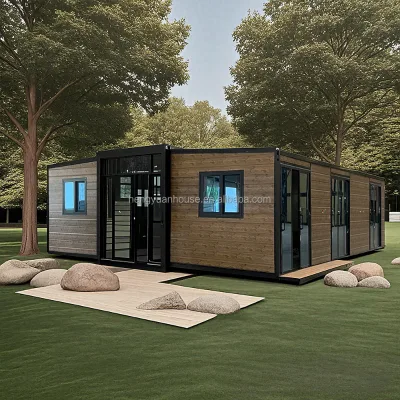
Explore 30 listings of Hot Galvanized Steel Prefabricated Home units designed for villas, warehouses, and dormitories. Buyers can compare specifications, customization options, and installation features to find the right solution for their needs.
Key considerations
Products List

Galvanized Steel Structure Villa Prefabricated House Light Steel Prefab Home
$250.00 - $260.00
MOQ: 200 Square Meters

Light Steel Structure Villa Prefab House Light Steel Prefabricated Home
$220.00 - $240.00
MOQ: 200 Square Meters


Innovative Modular Steel Prefabricated Homes for Quick Assembly
$15.00 - $45.00
MOQ: 100 Square Meters


Best Quality Prefabricated Fireproof Waterproof Customized Villa Home
$100.00 - $120.00
MOQ: 300 Square Meters
Comprehensive Sourcing Guide
Strategic Sourcing Guide for Hot Galvanized Steel Prefabricated Homes
Understanding the Product Architecture and Material Integrity
The procurement of hot galvanized steel prefabricated homes requires a precise understanding of the structural components that define their durability and performance. In the current market, the primary material observed for these structures is steel, specifically engineered to provide high-strength performance. The core advantage of utilizing hot galvanized steel lies in its ability to resist corrosion, ensuring longevity even in harsh environmental conditions. Buyers must verify that the steel structure meets specific requirements for intensity and anti-corrosion properties, as these are fundamental to the product's lifespan.
The structural integrity of these units is often defined by their connection methods. Welded connections are a standard configuration observed in high-quality units, providing a robust framework that can withstand significant stress. The design philosophy often emphasizes a modular approach, allowing for flexible combinability. This feature enables buyers to customize the layout and size of the home to suit specific site requirements. The standard specifications for these units often include dimensions such as a length of approximately 5.9 meters, a width of 2.3 meters, and a height of 2.56 meters for single units, though custom dimensions are frequently available to meet unique project needs.
When evaluating the physical attributes, the gross weight of a single package is a critical factor for logistics planning. Observed data indicates that a single unit can weigh up to 7,000 kg, necessitating careful planning for transportation and on-site handling. The packaging is equally vital; units are typically shipped in standard packages, wooden cases, or plywood packing designed to protect the structure during transit. Some suppliers utilize seaworthy packaging specifically for container house shipments, ensuring that the galvanized finish remains intact upon arrival.
Technical Specifications and Performance Capabilities
Technical specifications for hot galvanized steel prefabricated homes extend beyond simple dimensions to include performance metrics that ensure safety and efficiency. The units are engineered with features such as wind resistance, waterproofing, and thermal insulation. These attributes are not merely additive but are integral to the building's ability to function as a safe and comfortable living or working space. The thermal insulation capabilities are particularly important for energy efficiency, as they help reduce energy costs by maintaining stable internal temperatures.
Seismic resistance is another critical technical specification. The structures are designed to withstand earthquakes and storms, a feature that is essential for procurement in regions prone to geological instability. The core strength of these units often includes high seismic performance, ensuring that the building remains stable during natural disasters. Additionally, the construction period is typically short, allowing for rapid deployment. This "quick installation" capability is a significant advantage for projects with tight deadlines, such as emergency housing or temporary office setups.
The following table outlines key technical attributes observed in the market for these steel structures:
| Attribute Category | Specific Feature | Functional Benefit |
|---|---|---|
| Structural | Hot Galvanized Steel | High corrosion resistance and long-lasting performance |
| Connection | Welded Connection | Enhanced structural rigidity and stability |
| Safety | Earthquake & Wind Resistance | Protection against natural disasters and high winds |
| Environmental | Waterproof & Moisture Proof | Prevention of water ingress and mold growth |
| Efficiency | Thermal Insulation | Reduced energy consumption for heating and cooling |
| Installation | Fast Assembly | Reduced build time and labor costs |
| Sustainability | Recyclable Materials | Eco-friendly design and reduced environmental impact |
Buyers should verify that the specific units they are considering meet the standard requirements for these features. While some listings mention specific standards like ISO or SGS, the exact compliance should be confirmed through documentation provided by the supplier. The ability to be easily movable is also a notable feature, making these structures suitable for temporary or relocatable applications.
Compliance, Certification, and Regulatory Standards
Navigating the compliance landscape is a critical step in the procurement of prefabricated steel homes. The market features various certifications that serve as indicators of quality and adherence to international standards. ISO certification is a common requirement, with specific references to ISO 9001 for quality management systems. Additionally, CE certification is often cited, indicating compliance with European safety and health standards. However, buyers must treat these certifications as observations rather than universal guarantees, as the specific type of certification (e.g., Type_Customized) may vary between suppliers.
The standards governing these structures are often tailored to customer requirements. While some units adhere to specific international standards, others are built according to the client's specific needs. This flexibility allows for customization but requires rigorous verification of the standards being applied. For instance, some suppliers reference standards such as EN 10147-00, though this should be treated as background information rather than a definitive claim for every product. Buyers must request proof of compliance, such as test reports or certification documents, to ensure that the steel structure meets the necessary safety and quality benchmarks.
In addition to general certifications, specific engineering standards may apply. Standards like SGS and BV are sometimes referenced in the context of quality assurance. The presence of these certifications suggests a commitment to high-quality engineering, but the buyer must verify that the specific project requirements align with the certified standards. The origin of the product, often listed as China, including specific cities like Guangzhou, Shandong, or Qingdao, can also influence the regulatory framework applicable to the shipment. Understanding the regulatory environment of the destination country is essential to ensure that the imported structures meet local building codes.
Cost Drivers and Economic Considerations
The cost of hot galvanized steel prefabricated homes is influenced by a complex array of factors, ranging from material prices to customization levels. The observed price range in the market is extensive, spanning from $15 to $65,000 USD. This wide variance reflects differences in size, complexity, and the level of customization required. A basic unit with standard specifications will naturally be more affordable than a luxury-decorated, fully customized structure.
Material costs are a primary driver, with the price of steel fluctuating based on global market conditions. The use of high-strength steel and hot galvanization adds to the base cost but provides long-term value through reduced maintenance and extended lifespan. Customization is another significant cost factor. Options such as tailored layouts, specific finishes, and luxury decorations can increase the price substantially. Buyers should carefully evaluate the necessity of these custom features against their budget constraints.
The Minimum Order Quantity (MOQ) also plays a role in the overall cost structure. The observed MOQ range is between 1 and 300 units. Ordering a single unit may incur higher per-unit costs due to setup and logistics, whereas bulk orders can benefit from economies of scale. Shipping costs are another variable, with the method of transport (e.g., 40FT HQ container) affecting the final price. The packaging method, whether standard, wooden case, or plywood, can also impact shipping efficiency and cost.
Typical Applications and Usage Scenarios
Hot galvanized steel prefabricated homes are versatile structures suitable for a wide range of applications. The primary usage scenarios include warehouses, villas, dormitories, and temporary offices. The durability and flexibility of these structures make them ideal for both permanent and temporary installations. For industrial applications, they serve as workshops or storage facilities, providing a secure and weather-resistant environment. In residential contexts, they can be used as villas or dormitories, offering a modern aesthetic and comfortable living conditions.
The ability to be easily moved and quickly installed makes these units particularly valuable for temporary needs. Construction sites often utilize them as temporary offices or worker accommodations, benefiting from the fast assembly and reduced build time. In disaster relief scenarios, their seismic resistance and rapid deployment capabilities are crucial. The eco-friendly nature of the materials and design also aligns with sustainable development goals, making them a preferred choice for projects emphasizing environmental responsibility.
Supplier Evaluation and Quality Control Protocols
Evaluating suppliers for hot galvanized steel prefabricated homes requires a systematic approach to ensure quality and reliability. Buyers should prioritize suppliers who offer customization options and have a track record of meeting specific customer requirements. The availability of after-sales service is another critical factor, as it indicates the supplier's commitment to long-term support. Suppliers should be able to provide detailed information about their production processes, including the use of high-strength steel and the application of hot galvanization.
Quality control protocols are essential to verify that the products meet the promised specifications. Buyers should request documentation related to the manufacturing process, including material certifications and quality assurance reports. The inspection of the welded connections and the integrity of the galvanized coating are key areas to focus on. Additionally, verifying the packaging standards ensures that the units arrive in good condition. The ability of the supplier to support installation, either through on-site teams or detailed instructions, is also a valuable consideration.
Long-Term Procurement and Lifecycle Management
Long-term procurement considerations for hot galvanized steel prefabricated homes extend beyond the initial purchase to include maintenance, durability, and potential relocation. The high durability of the steel structure ensures that the units can last for many years with minimal upkeep. The low maintenance requirement is a significant advantage, reducing the total cost of ownership over time. The eco-friendly materials and design contribute to sustainability, aligning with modern environmental standards.
Buyers should also consider the potential for future expansion or modification. The flexible combinability of the units allows for easy expansion as needs change. The ability to relocate the structures provides additional value, making them a versatile investment. When planning for the long term, it is important to factor in the potential for energy efficiency improvements, such as upgrading insulation materials to further reduce energy costs. By focusing on these long-term aspects, buyers can ensure that their investment in hot galvanized steel prefabricated homes remains valuable and effective over time.
FAQs
What certifications do these steel structures have?
The structures typically hold ISO and ISO 9001 certifications. Some listings also reference CE, SGS, and BV standards, though specific compliance depends on the supplier and custom requirements.
Can I customize the layout and dimensions of the home?
Yes, customization is available for layouts, finishes, and dimensions. Specifications can be tailored to customer requirements, with standard single units measuring approximately 5.9 meters in length.
How quickly can these prefabricated homes be installed?
These homes feature fast installation with quick assembly to reduce build time. They are designed for short construction periods, making them suitable for temporary offices or emergency housing needs.
What is the typical minimum order quantity for these units?
The minimum order quantity ranges from one to 300 units depending on the supplier. Bulk orders may benefit from economies of scale, while single units are also available for specific projects.
Are these homes resistant to earthquakes and harsh weather?
Yes, they are built with high seismic resistance and wind resistance features. The structures include waterproof, moisture-proof, and anti-corrosion properties to withstand storms and geological instability.
What packaging methods are used for shipping these units?
Units are shipped in standard packages, wooden cases, or plywood packing. Some suppliers use seaworthy packaging specifically designed for container house shipments to protect the galvanized finish during transit.